Source mushroom style natural culture stone for Wall, Roof, Decoration
Compare 30 listings of mushroom style natural culture stone from verified suppliers. Buyers can evaluate specifications like thickness, density, and certifications including CE and ISO for wall cladding, roofing, and home decoration projects; compare the available evidence and request quotations based on your requirements.
Key considerations
Products List






Comprehensive Sourcing Guide
Mushroom Style Natural Culture Stone Sourcing Guide
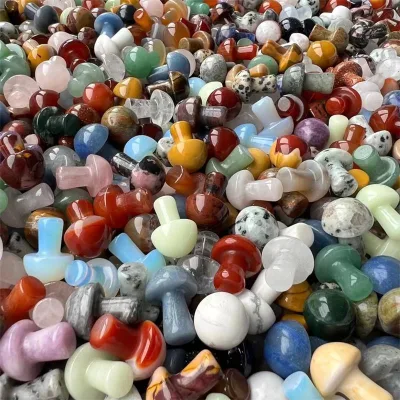
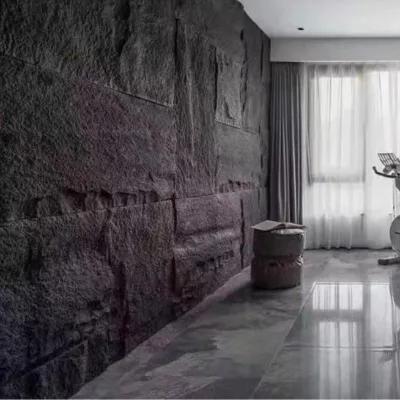
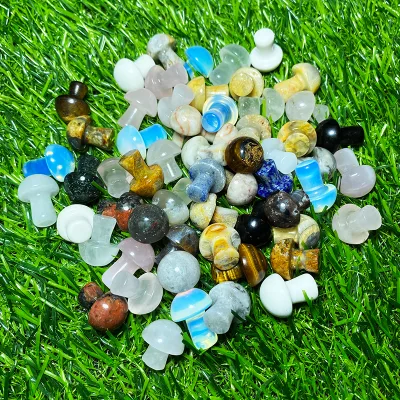
Procuring mushroom-style natural culture stone requires distinguishing between genuine cut-to-size granite and decorative crystal figurines, as the market offers distinct product categories under similar naming conventions. Buyers must verify whether the listing refers to structural wall cladding with a density of 2~3g/cm³ or small-scale decorative items like crystal mini mushrooms intended for home decoration. This distinction dictates the entire procurement strategy, from logistics planning to installation requirements, ensuring the selected material aligns with the intended architectural or interior design application.
The observed product landscape includes variations in finishing techniques, ranging from natural surfaces to carved sculptures, which significantly impacts the final aesthetic and durability. While some listings specify a thickness of 3cm for wall applications, others describe miniature items with a size of 2cm, necessitating precise specification checks before ordering. Understanding these physical differences prevents costly mismatches between the ordered material and the project's structural or decorative needs, ensuring the supplier delivers the exact form factor required for the specific use case.
Product Scope and Observed Listing Signals
The primary product scope for mushroom-style natural culture stone centers on wall cladding applications, where the material is often supplied in square shapes with a natural finish. Listings frequently indicate that customization is available, allowing buyers to request specific dimensions or shapes to fit unique architectural designs. However, the scope also extends to decorative figurines made from crystal, which serve a different purpose in home decoration and require different handling and installation protocols compared to heavy stone cladding materials.
Observed listing signals reveal a wide range of minimum order quantities, from 20 pieces for small decorative items to 50 square meters for substantial wall cladding projects. This variance suggests that buyers must carefully align their order volume with the supplier's capacity and the specific product type selected. Additionally, packaging methods vary between seaworthy wooden crates and box-and-crate combinations, which influences shipping costs and the protection level required during transit to ensure the stone arrives without damage.
Technical Specifications to Verify
Buyers must rigorously verify the physical dimensions and material density to ensure the stone meets structural requirements for wall or roof applications. The observed data indicates a standard thickness of 3cm for cladding products, with a density ranging between 2 and 3g/cm³, which is critical for load-bearing calculations and installation stability. Confirming these specifications prevents the selection of under-engineered materials that might fail under environmental stress or fail to meet the aesthetic expectations of a natural stone finish.
In addition to dimensions, the finishing process and erosion resistance properties are vital technical parameters that define the longevity of the installation. Some products are described as having antacid erosion resistance, a key feature for environments exposed to chemical exposure or harsh weather conditions. Buyers should also confirm the specific model numbers, such as SSS-111507 or GT-20, to ensure they are receiving the exact product variant with the intended natural or carved texture, rather than a generic substitute.
Compliance and Safety Documentation
Ensuring compliance with international safety and quality standards is a non-negotiable step when sourcing natural stone products for commercial or residential projects. The market data highlights the presence of CE, ISO, and SGS certifications, which serve as indicators that the supplier adheres to recognized manufacturing and safety protocols. Buyers should request valid certificates for each batch to verify that the stone has been tested for structural integrity and chemical safety, particularly for indoor applications where air quality and material stability are paramount.
Beyond general certifications, specific product standards like ISO9001:2000 or ISO 9001:2008 provide a framework for consistent quality management throughout the production process. These standards suggest that the supplier maintains a systematic approach to quality control, reducing the risk of defects in the final product. Procurement teams must validate that the certificates provided are current and directly applicable to the specific product model being ordered, ensuring that the compliance documentation is not generic but tailored to the actual goods supplied.
Cost Drivers and Commercial Terms
The cost of mushroom-style natural culture stone is heavily influenced by the minimum order quantity and the complexity of the customization requested. Listings show MOQs ranging from 20 pieces for decorative items to 50 square meters for cladding, meaning unit prices will vary significantly based on the volume purchased. Buyers should anticipate that custom designs and specific finishing techniques, such as carving or engraving, will incur additional costs compared to standard cut-to-size offerings, requiring a detailed cost breakdown before finalizing the order.
Commercial terms regarding payment and delivery timelines are equally critical factors in the total cost of ownership. Typical payment methods include LC or TT, and delivery times can range from 7 to 15 days after order confirmation, depending on the supplier's location and current production load. Understanding these terms helps buyers manage cash flow and project schedules effectively, ensuring that the goods arrive in time for installation without incurring penalties or delays that could disrupt the overall construction or renovation timeline.
Supplier Qualification and Quality Control
Supplier qualification should focus on verifying the origin and production capabilities, as the majority of listings indicate origins in China, specifically Xiamen and Jiangsu. Buyers must confirm that the supplier has the capacity to produce the specific model numbers and finishes required, such as natural granite or crystal figurines, without compromising on quality. Checking the supplier's history with similar projects and their ability to handle customized designs ensures that they can meet the specific demands of the procurement request.
Quality control measures must be established to verify the physical attributes of the stone before shipment, including density, thickness, and surface finish. Since the product is often packed in wooden crates or boxes, buyers should request pre-shipment inspection reports to confirm that the packaging is seaworthy and sufficient to protect the stone during transit. Implementing a clear quality assurance protocol helps mitigate the risk of receiving damaged or non-compliant goods, ensuring that the final installation meets the expected standards for durability and aesthetics.
Long-Term Procurement Checks
Establishing a long-term procurement strategy involves regular audits of supplier performance and product consistency over multiple orders. Buyers should track the lead times and delivery reliability to ensure that the supplier can consistently meet project deadlines, especially when scaling up orders from small decorative items to large wall cladding projects. Maintaining a relationship with a supplier who demonstrates reliability and quality consistency reduces the administrative burden and risk associated with sourcing new vendors for future projects.
Continuous verification of product specifications and certifications is essential to maintain compliance and quality standards over time. As regulations and industry standards evolve, buyers must ensure that their suppliers remain up-to-date with the latest requirements, such as updated ISO standards or new safety certifications. Regular communication and periodic re-evaluation of the supplier's capabilities help ensure that the mushroom-style natural culture stone continues to meet the evolving needs of the project and the market.
FAQs
What is the standard thickness for mushroom stone wall cladding?
The standard thickness for this natural culture stone is 3cm. This dimension provides structural stability for wall applications while maintaining the characteristic mushroom profile. Buyers should verify specific project requirements against this baseline specification to ensure proper installation and aesthetic alignment with design plans.
Can I request custom sizes for the mushroom stone product?
Yes, customization is available for the mushroom stone. The product supports cut-to-size options and customized designs to meet specific architectural needs. This flexibility allows buyers to tailor the stone dimensions precisely to their wall cladding projects, ensuring a seamless fit and desired visual effect.
Which certifications are provided for the natural culture stone?
The product comes with CE, ISO, and SGS certifications. These standards confirm compliance with international quality and safety requirements for building materials. Buyers can rely on these documented credentials to verify product authenticity and ensure the stone meets regulatory standards for export and installation in various global markets.
What is the typical delivery time for confirmed orders?
The typical delivery time is 7-10 days or 15 days after order confirmation. This timeframe applies to standard production and shipping processes. Buyers should account for this lead time when planning project schedules, ensuring that material arrival aligns with construction timelines and installation phases for wall cladding.
How is the mushroom stone packaged for safe shipping?
The stone is packaged in seaworthy wooden crates or boxes with wooden crates. This robust packaging protects the natural culture stone from damage during transit. Buyers can expect secure handling that preserves the integrity of the stone pieces, ensuring they arrive in optimal condition for immediate installation and use.
What is the minimum order quantity for the stone product?
The minimum order quantity varies, with some listings requiring 50 square meters and others 200 square meters. Buyers should check specific supplier terms to determine the applicable MOQ. This variation allows flexibility for different project scales, from smaller decorative installations to large-scale commercial wall cladding requirements.